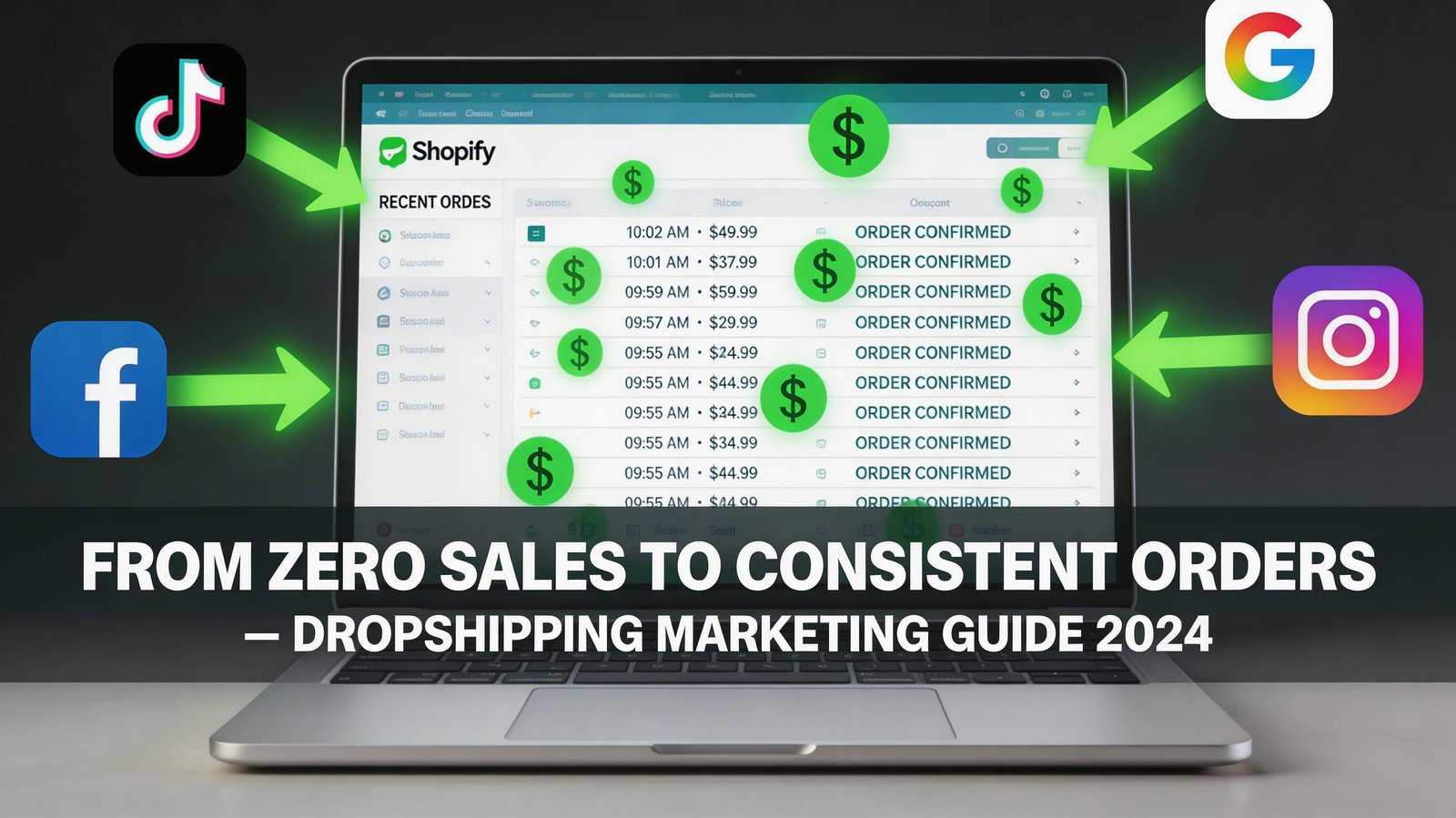
Dropshipping failures are almost
never product failures. They are marketing failures. A store with mediocre
products and excellent marketing will consistently outperform a store with
excellent products and mediocre marketing. The path to building a profitable
dropshipping business in 2024 is a deliberate, multi-channel marketing strategy
— not finding a 'winning product' and hoping ads do the rest.
This guide covers the complete
marketing strategy for a dropshipping store: both paid and organic channels,
prioritized by learning curve and cost.
Before Marketing: Non-Negotiable Store Foundations
No marketing strategy works for
a store that does not meet baseline conversion requirements. Before spending on
ads or investing in content:
• Fast
loading time: under 3 seconds on mobile. Test at PageSpeed Insights.
• Mobile-optimized
design: 70%+ of dropshipping traffic comes from mobile
• Professional
product photography: no aliexpress watermarked images
• Compelling
product descriptions: benefits-first, not spec sheets
• Clear
shipping policy: set realistic expectations upfront — hidden shipping times
kill trust
• Reviews
and social proof: import at minimum 20-30 reviews using DSers/Ali Reviews
before marketing
• Trust
badges: secure checkout, SSL certificate, payment method icons visible
Channel 1: TikTok Organic — The Highest-ROI Starting Point
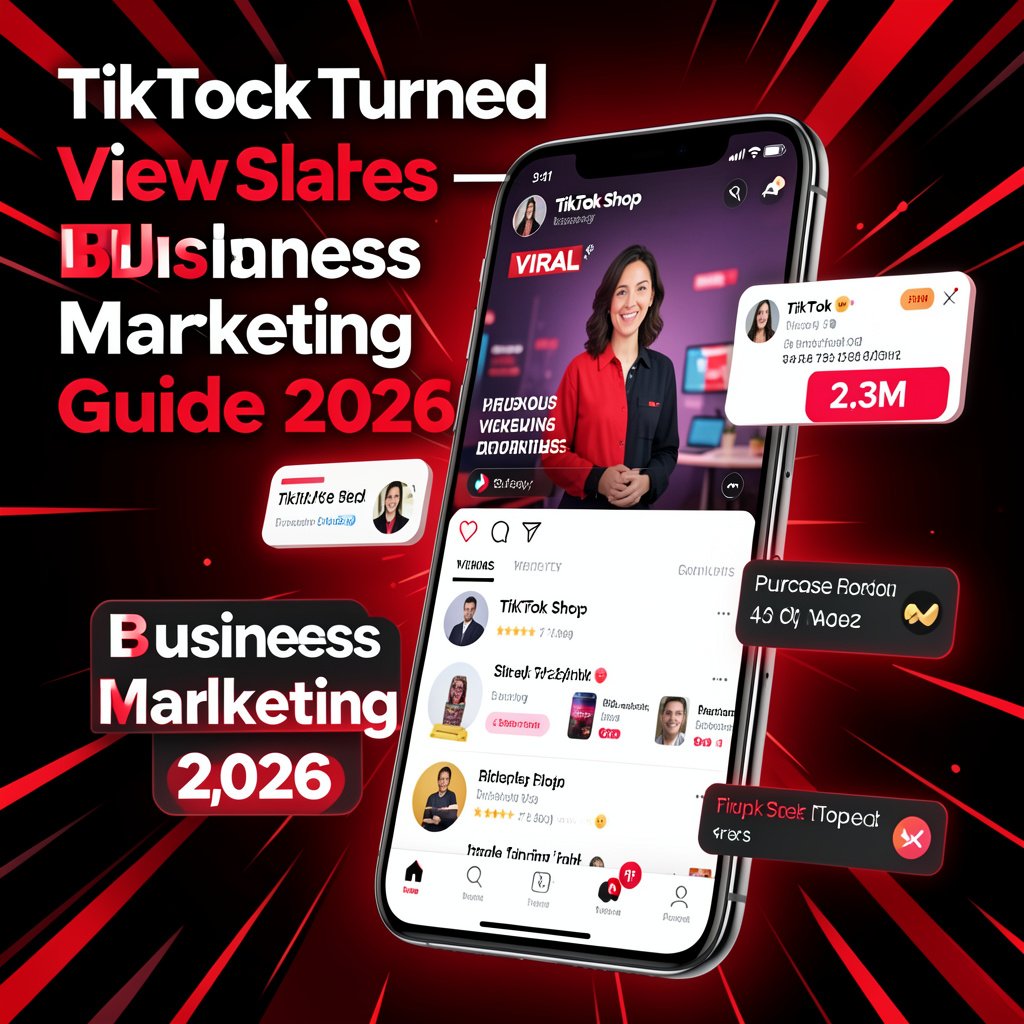
TikTok organic is uniquely
powerful for dropshipping: it is completely free, has enormous reach potential,
and its short-video format is perfect for product demonstrations.
TikTok Organic Product Marketing Strategy
1. Create
a TikTok account for your store niche
2. Film
3-5 videos per day showing the product in use — real scenarios, honest
demonstrations
3. Study
the top-performing videos in your product niche and analyze their hook, format,
and CTA
4. Link
your Shopify store in the bio via TikTok Shop or a link-in-bio tool
5. Post
consistently for 30 days minimum before evaluating results
The TikTok algorithm shows
content to non-followers based on engagement quality, not follower count. A
brand new account can receive millions of views if content quality is high. The
most successful formats: product unboxing, before/after demonstrations,
problem-solution narratives, and reaction videos.
Channel 2: Facebook Ads — The Scalable Paid Channel
Facebook (Meta) Ads remain the
most powerful paid advertising channel for e-commerce in 2024. The targeting
capabilities, creative formats, and tracking infrastructure are unmatched.
Testing Budget: Starting Correctly
New dropshippers should allocate
$30-50/day testing budget. Not to scale immediately, but to find a winning
creative-audience combination before increasing spend.
Testing Framework for Dropshipping
6. Create
one campaign with Conversion objective (Purchase)
7. Create
3 ad sets with different audiences: interests related to your product, Broad
(no targeting, 18-65), and a Lookalike Audience if you have customer data
8. Run
3-5 video creative variations showing the product in use
9. After
3 days and $90-150 spend, evaluate which ad sets show the most potential (add
to cart or purchase events)
10. Kill
non-performers, duplicate winners, and begin scaling the winning combination
Video Creative for Facebook Dropshipping Ads
The most effective Facebook
dropshipping ad format in 2024: a problem-solution video hook in the first 3
seconds, demonstrating the product solving a recognizable problem.
User-generated content (UGC) style — filmed on a phone, authentic tone —
significantly outperforms polished studio ads for most dropshipping products.
Channel 3: Google Shopping Ads — Capturing Purchase Intent
While Facebook ads interrupt
people doing other things, Google Shopping ads appear when people are actively
searching for your product type. This purchase-intent traffic converts at
significantly higher rates.
Google Shopping Setup
11. Create a
Google Merchant Center account and connect to your Shopify store
12. Ensure all
product feeds are approved (correct titles, images, pricing, descriptions)
13. Create a
Google Ads account and launch a Standard Shopping campaign
14. Bid
conservatively initially and use negative keywords to exclude irrelevant
searches
Google Shopping works best for
products with clear search demand — items people already know they want. It is
less effective for novel or impulsive-purchase products better suited to
discovery platforms.
Channel 4: Pinterest — Free Long-Term Traffic
Pinterest is a visual search
engine with high purchase intent. Users come specifically to discover products
and save ideas for future purchases. For lifestyle, home, fashion, beauty, and
wellness products, Pinterest drives significant free traffic.
Pinterest Dropshipping Strategy
15. Create a
business Pinterest account and enable Rich Pins
16. Design
vertical (2:3 ratio) product pins using Canva
17. Create
multiple pin variations for each product (different backgrounds, text overlays,
lifestyle images)
18. Schedule
10-15 pins per day across relevant boards using Tailwind
19. Join and
contribute to group boards in your niche for extended reach
Pinterest traffic is slow to
build but extremely durable. Pins can drive traffic for 1-2+ years after
creation.
Channel 5: Influencer Marketing on a Budget
Micro-influencers (5,000-50,000
followers) in your product niche often accept free product in exchange for
content. A genuine review from a trusted voice in the right community can drive
significant traffic and sales at the cost of your product plus shipping.
Budget Micro-Influencer Outreach
20. Research
Instagram and TikTok accounts in your product niche with 10,000-50,000 engaged
followers
21. Prioritize
engagement rate over follower count — 5% engagement is better than 0.5% on a
larger account
22. Send a
genuine DM: offer a free product in exchange for an honest review post (not
fake positive reviews — genuine reviews that happen to be positive)
23. Track
results via a unique discount code or affiliate link assigned to each
influencer
Channel 6: Email Marketing for Repeat Purchases
Acquiring a new dropshipping
customer costs 5-7x more than selling to an existing one. Email marketing
captures buyers and brings them back:
• Abandoned
cart sequence: 3 emails over 48 hours to recover incomplete purchases (Shopify
has this built-in)
• Post-purchase
upsell: email within 24 hours of purchase recommending a complementary product
• Re-engagement
campaign: email past buyers after 60 days with new products or a loyalty
discount
Product Marketing: Positioning That Sells
Regardless of which channel you
use, how you position the product determines conversion rate. The most
effective approach for dropshipping:
• Lead
with the problem the product solves, not the product itself
• Use
aspirational language: 'what your life looks like with this product'
• Create
urgency authentically: limited stock, seasonal offers, time-limited free
shipping
• Social
proof heavily: reviews, unboxing videos, before/after comparisons
Measuring and Scaling
• Track
Cost Per Purchase from each channel
• Track
Return on Ad Spend (ROAS) — target minimum 2.5x, ideally 4x+
• Scale
winning channels by 20-30% every 3-5 days
• Reinvest
a percentage of profits into testing new products and creatives
Conclusion
Successful dropshipping marketing in 2024 is a multi-channel system, not a single winning ad. Start with TikTok organic (free, educational, high reach potential) alongside Facebook Ads testing. Add Google Shopping for search-based demand. Build Pinterest for long-term free traffic. Implement email automation for retention. Each channel reinforces the others, and together they create a traffic infrastructure that makes individual channel algorithm changes or ad cost increases manageable.